The Department of Science and Humanities
About the Department
The department of Science and Humanities was started in the year 2008 with an objective of creating a leader in engineering education and research with the application of knowledge for uplifting the society globally.
The Department of Science and Humanities and General Engineering takes the lead role in setting up the foundation with engineering orientation to the budding engineers. It sets the platform for the engineering students to learn and practice analytical and innovation reasoning, professional ethics and communication. The aim of the department is to broadly educate aspiring engineering students in the basics of Mathematics, Physics, and Chemistry & English which serve as a platform for the growth of students in their further study of Technical subjects. The major motivating factor of the department is the commitment and team work that is exhibited in the teaching – learning process. Extra care is taken to offer special coaching class during weekends and closer to the University Examinations The faculty members are consistently doing well in teaching and research activities.
Objectives
- To provide strong foundation in the field of science and technology through practical approach.
- Motivating the students to explore the applications of Mathematics in the field of Engineering.
Vision and Mission
Vision
To be a globally reputed Technical Institution creating Competent leaders and Skillful innovators in Science, Technology and Management.
Mission
- IM1: Providing a dynamic and creative learning environment for its students to acquire exemplary technical, analytical, professional skills.
- IM2: Imbibing a spirit of innovation and research among its students and faculty for solving critical problems.
- IM3: Promoting Innovation, Employability and entrepreneurship skills through industry academia collaboration.
- IM4: Serving the society through technical intervention and creating socially responsible Professionals.
Programme Outcomes (PO)
PO1: Engineering knowledge:
Apply the knowledge of mathematics, science, engineering fundamentals, and an engineering specialization to the solution of complex engineering problems.
PO2: Problem analysis:
Identify, formulate, review research literature, and analyze complex engineering problems reaching substantiated conclusions using first principles of mathematics, natural sciences, and engineering sciences.
PO3: Design/development of solutions:
Design solutions for complex engineering problems and design system components or processes that meet the specified needs with appropriate consideration for the public health and safety, and the cultural, societal, and environmental considerations.
PO4: Conduct investigations of complex problems:
Use research-based knowledge and research methods including design of experiments, analysis and interpretation of data, and synthesis of the information to provide valid conclusions.
PO5: Modern tool usage:
Create, select, and apply appropriate techniques, resources, and modern engineering and IT tools including prediction and modeling to complex engineering activities with an understanding of the limitations.
PO6: The engineer and society:
Apply reasoning informed by the contextual knowledge to assess societal, health, safety, legal and cultural issues and the consequent responsibilities relevant to the professional engineering practice.
PO7: Ethics:
Apply ethical principles and commit to professional ethics and responsibilities and norms of the engineering practice.
PO8: Individual and team work:
Function effectively as an individual, and as a member or leader in diverse teams, and in multidisciplinary settings.
PO9: Communication:
Communicate effectively on complex engineering activities with the engineering community and with society at large, such as, being able to comprehend and write effective reports and design documentation, make effective presentations, and give and receive clear instructions.
PO10: Project management and finance:
Demonstrate knowledge and understanding of the engineering and management principles and apply these to one’s own work, as a member and leader in a team, to manage projects and in multidisciplinary environments.
PO11: Life-long learning:
Recognize the need for, and have the preparation and ability to engage in independent and life-long learning in the broadest context of technological change.
Faculty
Events
Major Events
Innovation by the Faculty in Teaching and Learning
| Project based learning | Activity based learning | Experiential learning | Technology Based Learning |
| Mini Project | Seminar Presentation | Industrial Visits | ICT Tools |
| Main Project | Paper / Poster Presentation | Workshops | AI Tools |
| Project Competitions/ Hackathons | Mind map / Hackathons | Value Added courses / Skill Development | Virtual Labs / Coding |
| App Development | Role play /Case study | Internships | LMS Platforms |
| Patents (Design / Product) | Flipped Classrooms | Community Activities | Online Certifications |
| YouTube & Animation Videos |
Laboratory Infrastructure
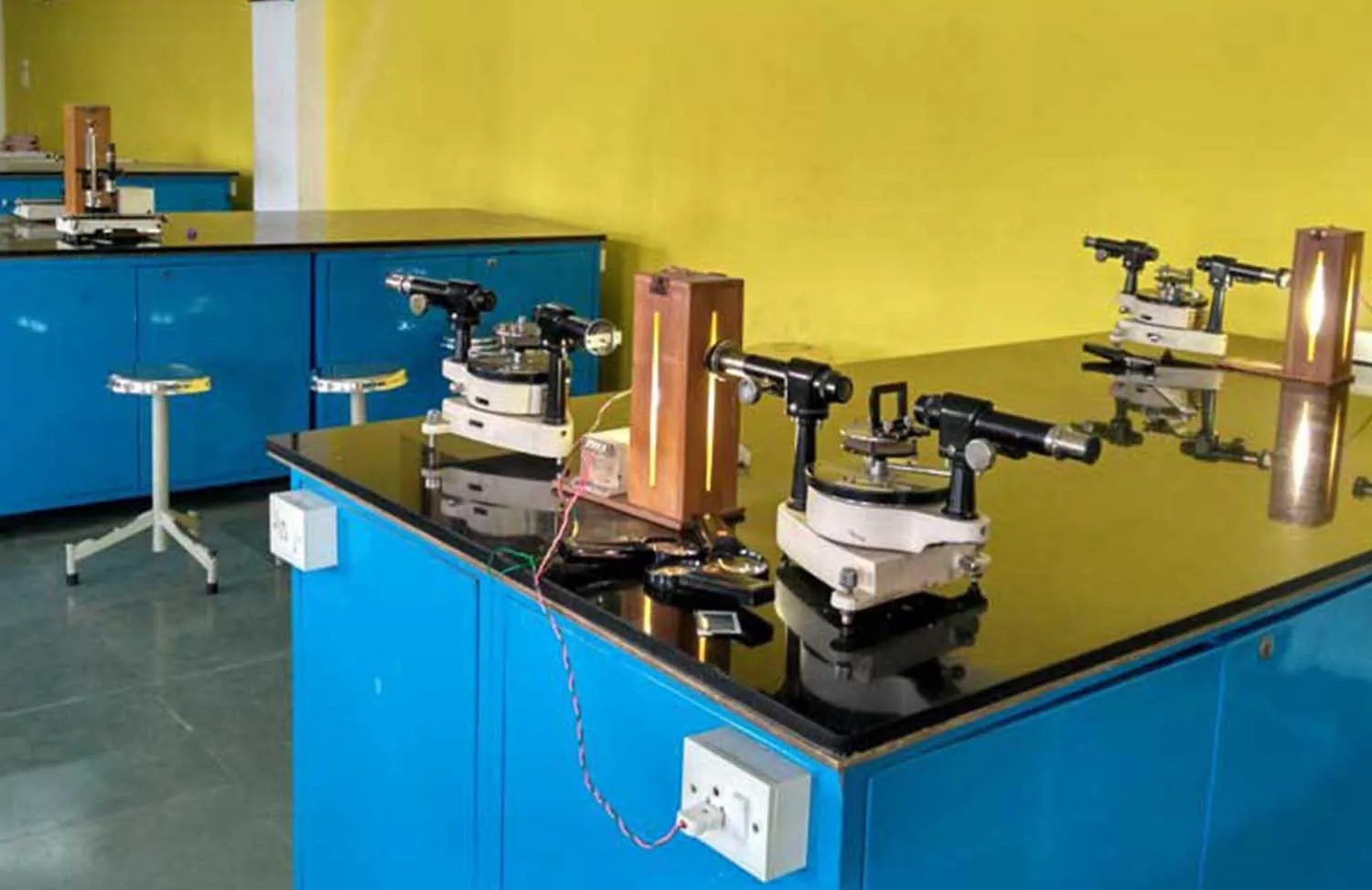
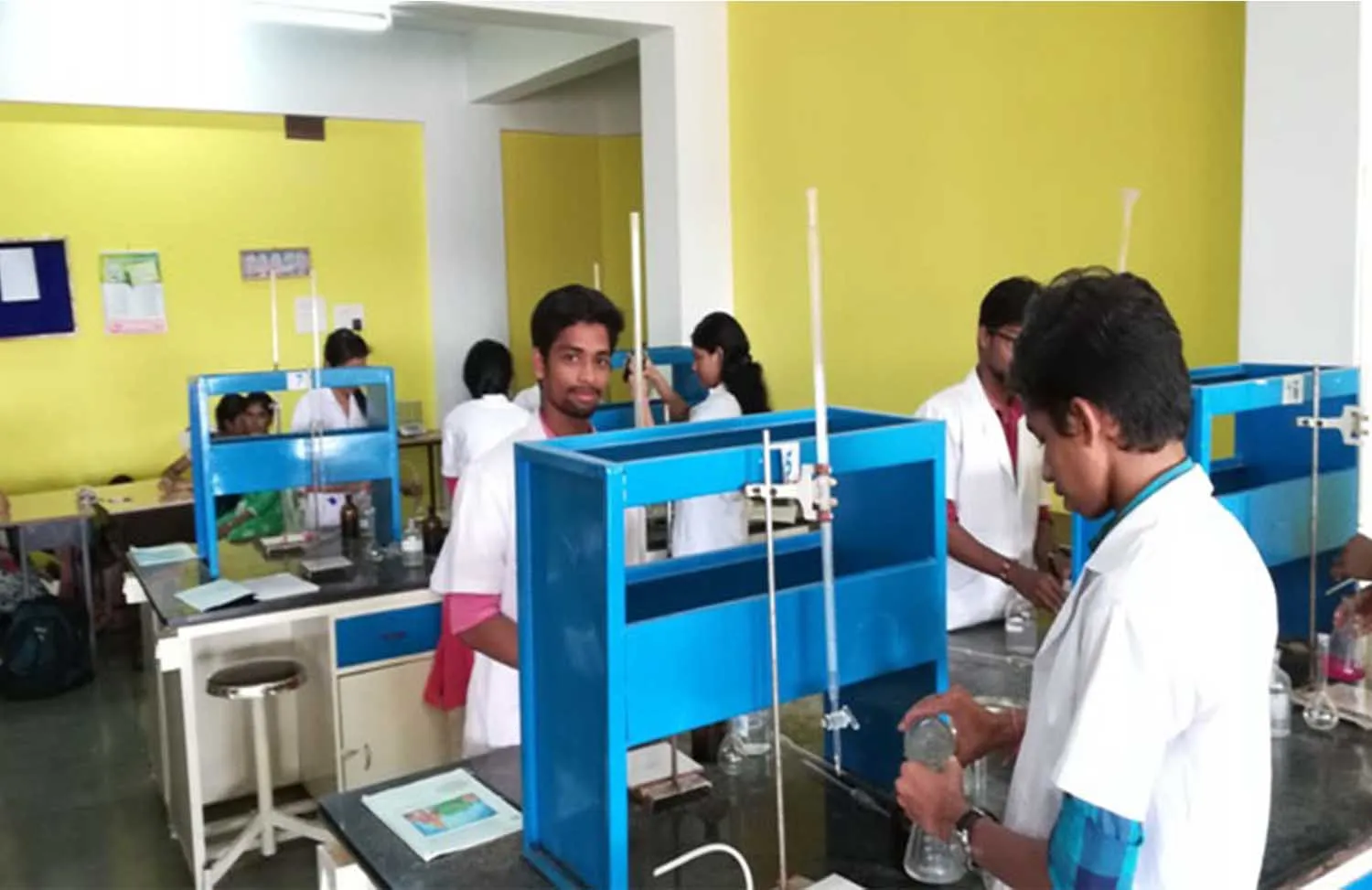
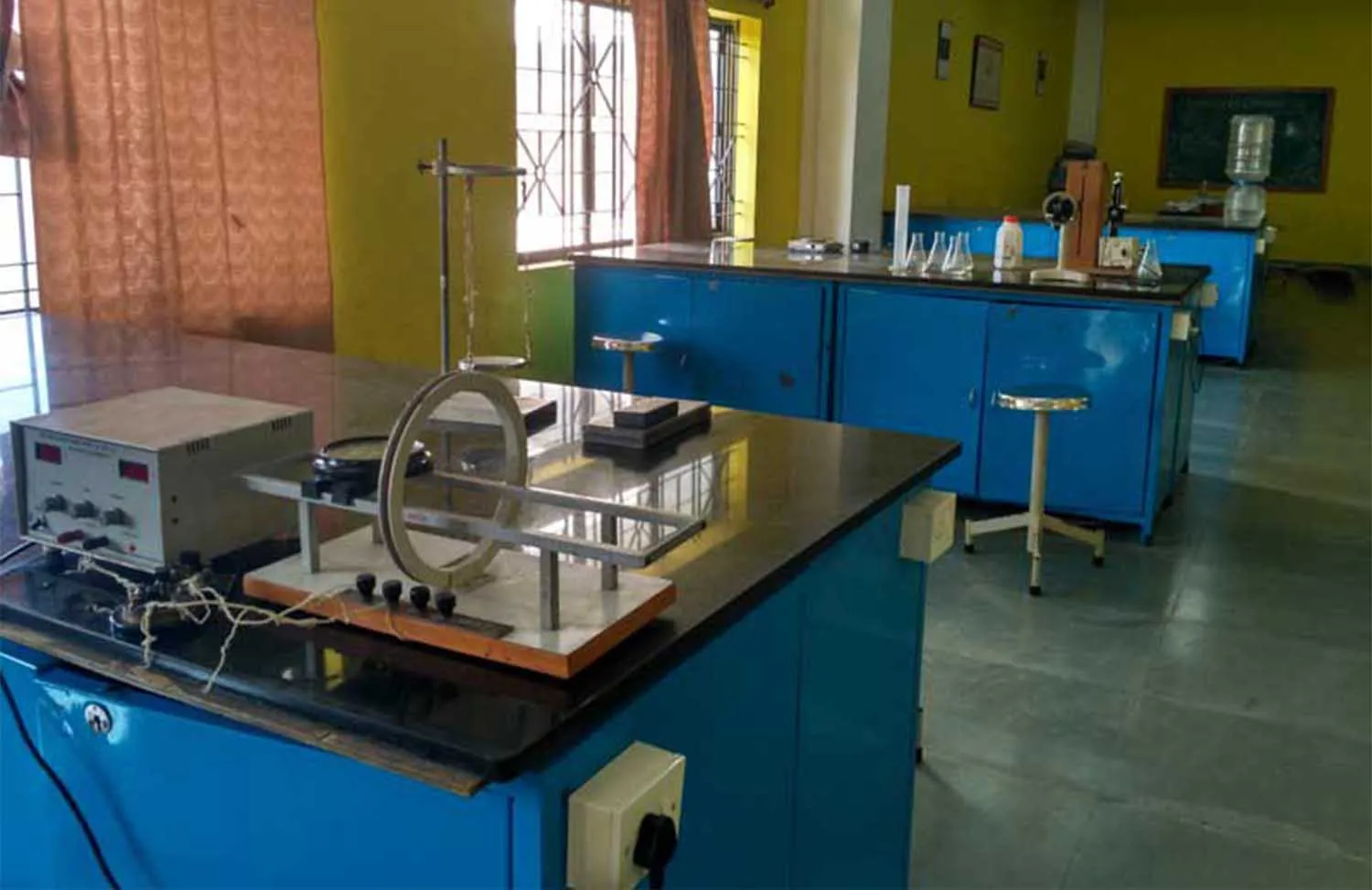
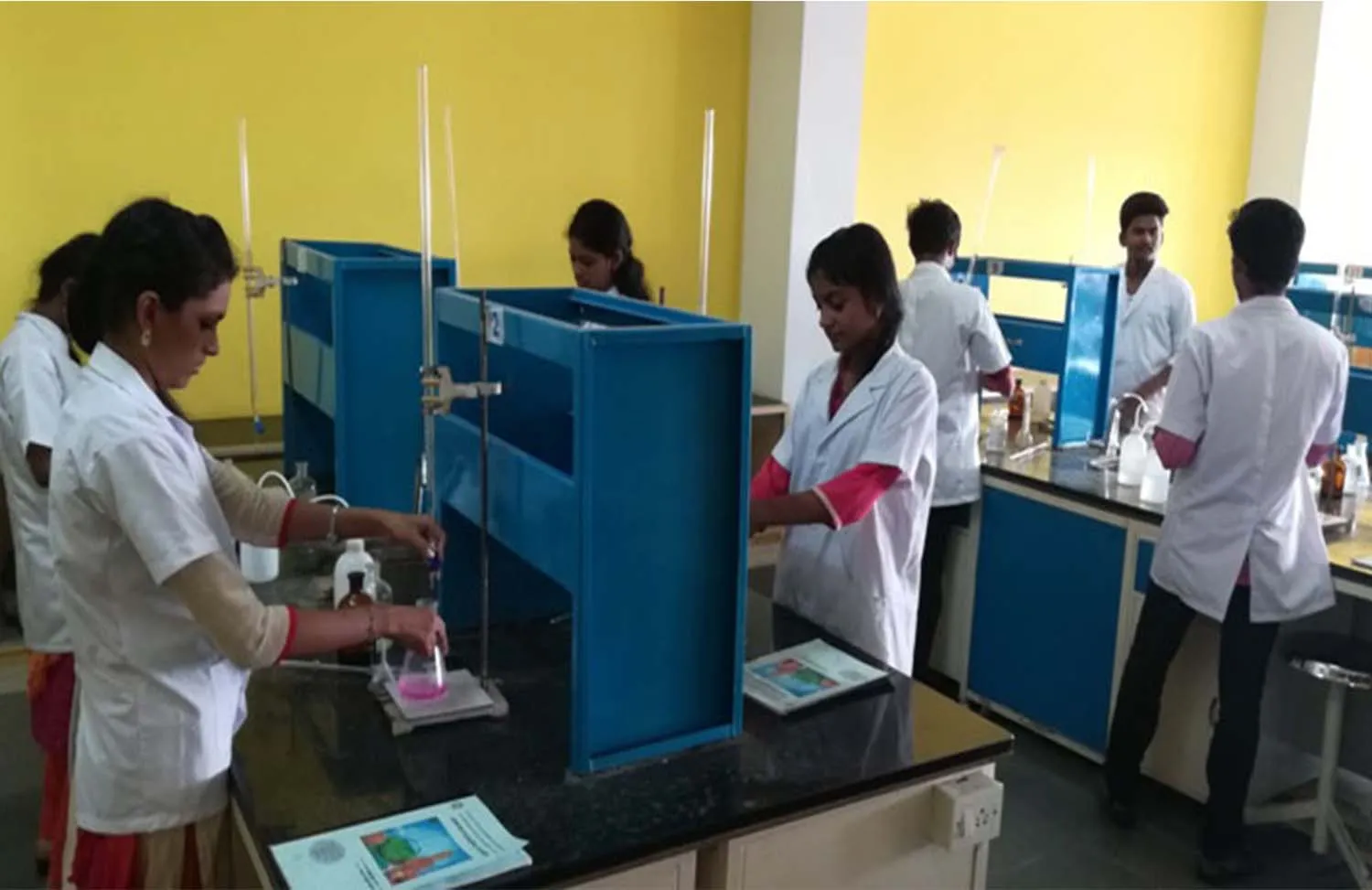
We have extremely well-equipped Physics and Chemistry lab functioning in well-ventilated, spacious area with all necessary facilities.